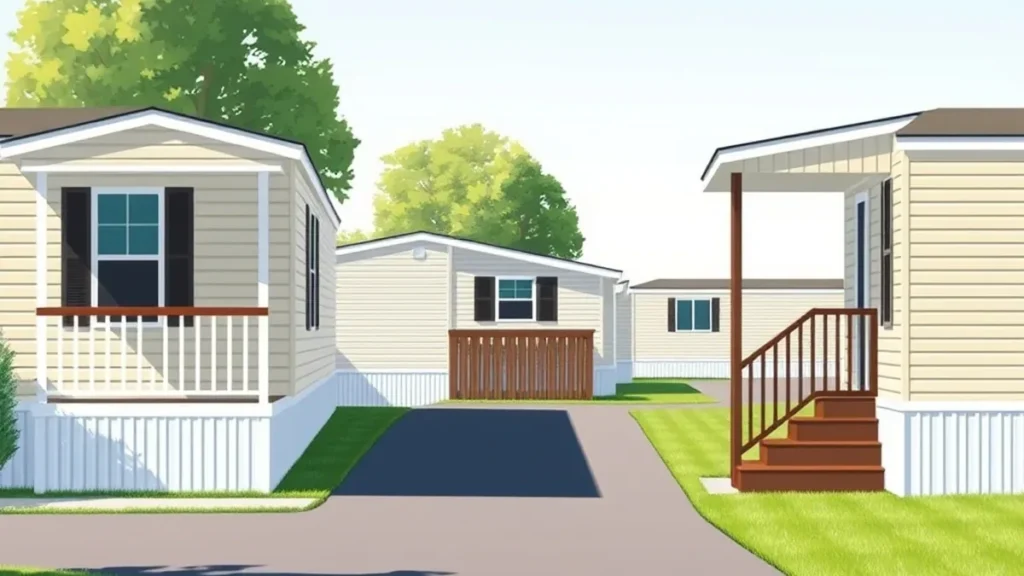
The search “yes communities lawsuit” covers distinct litigation: manufactured-home lot-rent antitrust claims in Illinois and a data-incident class action in Colorado. The cases concern different alleged injuries, different proposed classes, and different procedural developments. A data-settlement notice is not an invitation to claim compensation for rent increases.
In the rent litigation, a December 4, 2025 dismissal without prejudice was followed by a second amended complaint filed January 26, 2026. Those are dated procedural developments, not proof of liability or an authenticated account of later docket outcomes. In O’Leary v. YES Communities, LLC, the Colorado court granted preliminary settlement approval on July 22, 2026. YES Communities denies liability in that case. The data-settlement administrator’s published schedule was checked October 27, 2026.
Two Cases, Different Rights and Deadlines
The immediate published claim deadline belongs to the data-incident settlement, not the lot-rent litigation. On October 27, 2026, the court-appointed administrator’s website listed November 5, 2026 as the claim deadline and November 20, 2026 at 10:00 a.m. as the scheduled final approval hearing. Its October 21 objection and exclusion deadlines had passed. The hearing remains subject to change under the notice.
| Issue | Lot-rent antitrust litigation | Data-incident litigation |
|---|---|---|
| Case and court | In re Manufactured Home Lot Rents Antitrust Litigation, No. 1:23-cv-06715, Northern District of Illinois | O’Leary v. YES Communities, LLC, No. 25-cv-00692-PAB-NRN, District of Colorado |
| Alleged injury | Overcharges on manufactured-home lot rent through alleged price fixing and information exchange | Exposure of private information in a December 2024 data incident |
| Principal dated development | December 4, 2025 dismissal without prejudice; January 26, 2026 second amended complaint | July 22, 2026 preliminary settlement approval |
| Class distinction | The January 2026 complaint requests certification of a rent-paying class | The July 2026 order preliminarily certified a notice-based settlement class |
| Consumer action established here | No YES rent-payment claim process is established by these dated filings | Eligible members must submit a valid settlement claim for benefits |
The rent-case account below is limited to the December 2025 order and January 2026 pleading; later rulings, certification decisions, and outcomes are not authenticated here. The data-case schedule reflects the administrator’s October 27 posting, not a new court ruling or a guarantee that dates cannot change.
Case Snapshot & Key Facts
The lead case is O’Leary v. YES Communities, LLC, No. 25-cv-00692-PAB-NRN, before Judge Philip A. Brimmer in the District of Colorado. The consolidated proceedings include the Wilkins, Starks, Kay, and Burns actions.
The order preliminarily certified a settlement class of “all living individuals in the United States who were sent notice by Defendant that their Private Information was impacted in the Data Incident.” It appointed Analytics Consulting LLC as claims administrator. The parties reported approximately 10,675 class members; that figure describes the proposed class, not the number of approved claims or people receiving payments.
Lot-Rent Allegations: Datacomp Reports and Competitor Communications
The Illinois litigation concerns Datacomp and manufactured-home community owners or operators. Unlike the Colorado data case, it challenges how lot rents allegedly were set. Lot rent is the charge for the space on which a manufactured home sits; the December 2025 opinion explains that the home and its lot are separate pieces of property. Owning a manufactured home therefore does not necessarily mean owning its underlying land.
In their January 26, 2026 second amended complaint, Document 221, plaintiffs allege that community operators used Datacomp’s JLT Market Reports to coordinate or support inflated lot rents. They describe the reports as containing detailed, non-anonymized information about particular communities, including rents, occupancy, services included with rent, and sometimes future rent increases. Plaintiffs contend that these details helped competitors identify comparable communities and obtain pricing information directly.
The amended pleading also alleges direct communications among community operators and their agents about competitively sensitive rent information. It asserts separate price-fixing and information-exchange claims under Section 1 of the Sherman Act, plus unjust enrichment against the community defendants. These are plaintiffs’ theories and allegations. Neither the filing of the complaint nor a reported rent increase establishes that an unlawful agreement existed or that a particular resident suffered a legally recoverable overcharge.
The proposed rent class and requested relief
Document 221 proposes a class of persons and entities who paid rent directly to a community defendant or an unnamed alleged co-conspirator for a manufactured-home lot in a community included in a JLT Market Report or located in a defined Regional Market, between August 31, 2019 and the pleading’s “present.” That last word belongs to the January 2026 filing; it should not be read as an independently verified October 2026 cutoff.
Plaintiffs request class certification, damages, an injunction against the alleged conduct, and equitable relief addressing alleged unjust enrichment. Their requested relief includes treble damages, attorneys’ fees, and costs. Those are demands in a complaint, not awards or guaranteed resident benefits. The proposed class’s geographic, payment, and defendant-related requirements also mean that a rent increase alone does not establish inclusion.
The complaint reports that plaintiffs had reached a settlement with Murex Properties, L.L.C., including cooperation information and documents informing the amended allegations. That reported agreement concerns Murex, not a settlement by YES Communities. The cited complaint does not establish court approval, a resident payout, or a YES rent-claim deadline.
Data-Incident Background: What Plaintiffs Alleged
The defendant is YES Communities, LLC. According to the settlement notice, a forensic investigation identified a ransomware attack between December 9 and 11, 2024, involving unauthorized system access and theft of unencrypted private information. The notice says notification letters began going out around February 24, 2025.
The notice identifies potentially affected information including names, Social Security numbers, identification-document numbers, financial-account information, work-eligibility documentation, and dates of birth. This description does not establish that every listed data category was affected for every individual.
As summarized in the court’s order, plaintiffs asserted negligence, negligence per se, invasion of privacy, breach of contract, breach of implied contract, and unjust enrichment. Their claims concern alleged exposure of personally identifiable information. These are pleaded claims, not findings that YES Communities committed those wrongs.
Defense Positions and What the Courts Actually Decided
Rent litigation: dismissal with an opportunity to amend
In Document 211, dated December 4, 2025, Judge Franklin U. Valderrama granted the defendants’ joint motion to dismiss without prejudice. The order allowed plaintiffs to amend their consolidated complaint. It also denied Murex’s separate motion without prejudice as moot rather than deciding its additional defenses.
The opinion addressed whether the allegations adequately stated claims, not whether plaintiffs had proved a conspiracy at trial. For example, defendants argued that the earlier complaint did not adequately allege an invitation by Datacomp to collude or acceptance by the community defendants. The court agreed that plaintiffs had not adequately alleged invitation and acceptance on that theory. In the opinion’s “Alternative Explanations” discussion, defendants pointed to the complaint’s allegations that demand for manufactured-home rentals increased while supply decreased or remained stagnant, resulting in record-low vacancy rates (Document 211, pp. 30–32). Those defense arguments should not be presented as independently proved explanations for every resident’s rent.
“Without prejudice” matters: the ruling did not foreclose an amended pleading. Plaintiffs filed their second amended consolidated complaint on January 26, 2026, adding allegations about direct competitor communications and describing cooperation from Murex. Filing that pleading does not establish that the court accepted the revised claims as sufficient. The later disposition of those claims is not authenticated here.
Data litigation: denial of liability and a negotiated proposal
YES Communities expressly denies wrongdoing and liability in the data case. The settlement notice states that the court did not decide in favor of either side. The July 22, 2026 preliminary approval order describes mediation and subsequent negotiations as the route to the proposed settlement.
That order supports reporting a negotiated resolution subject to final approval—not a plaintiff victory on the merits. Preliminary settlement certification in Colorado also says nothing about certification or liability in the separate Illinois rent litigation.
Procedural Timeline: Keep the Dockets Separate
| Date | Proceeding | Documented event and significance |
|---|---|---|
| March 20, 2025 | Data incident | Michelle O’Leary moved to consolidate related cases. |
| April 22, 2025 | Data incident | The court granted the consolidation motion. |
| May 15, 2025 | Data incident | Plaintiffs filed the amended consolidated complaint, Docket No. 21. |
| June 2, 2025 | Data incident | The court ordered the Burns action consolidated. |
| December 4, 2025 | Lot rents | Document 211 dismissed the earlier complaint without prejudice and allowed amendment. |
| January 26, 2026 | Lot rents | Plaintiffs filed the second amended consolidated complaint, Document 221, requesting certification and relief on revised allegations. |
| July 22, 2026 | Data incident | Document 55 granted preliminary settlement approval, preliminarily certified the settlement class, and approved revised notices and a claim form. |
| October 27, 2026 | Data settlement administration | The administrator’s retrieved page listed the November 5 claim deadline and November 20 hearing. This is a website check, not a judicial ruling. |
The settlement notice places the scheduled November 20 hearing at 10:00 a.m. in Courtroom A701, 901 19th Street, Denver. It warns that the date, time, or location may change and directs readers to check the settlement website.
Class Certification and Settlement Benefits
Preliminary approval is distinct from final approval. In its July 22 order, the court assessed the proposed settlement class under Rule 23 and found preliminary certification appropriate. The notice explains that the final hearing would address whether the settlement is fair, reasonable, and adequate.
The data-settlement notice describes these conditional options and deadlines; they do not apply to the lot-rent claims.
| Benefit or action | Amount or published date | Conditions or significance |
|---|---|---|
| Documented losses | Up to $2,500 | Actual, documented, unreimbursed fraud or identity-theft loss incurred after the incident and more likely than not caused by it |
| Lost time | $20 per hour, up to four hours; maximum $80 | Time spent remedying incident-related issues; claimant must attest to time spent |
| Alternative cash | $50 | No documentation required; replaces documented-loss and lost-time payments rather than supplementing them |
| Credit monitoring | Three years of IDX monitoring for one credit bureau | Available by election in addition to cash, including for members who previously received monitoring |
| Submit a claim | November 5, 2026 | Online submission or mailed postmark deadline listed by the administrator on October 27 |
| Exclusion or objection | October 21, 2026 | Published deadlines had passed by October 27 |
| Final approval hearing | November 20, 2026, 10:00 a.m. | Scheduled, not completed; subject to change |
For documented losses, a personal statement alone generally does not substitute for supporting records. The notice permits a statement to clarify or support other documentation, but bars recovery of expenses already reimbursed by another source.
The order permits claims for documented losses and lost time together. These amounts are eligibility limits and options, not guaranteed payments to every affected person. The notice requires a valid claim and says the administrator will review claims for completeness and plausibility.
Class counsel may request combined fees, costs, and expenses of up to $217,000, and service awards of up to $2,500 for each representative. The notice reserves the final amounts for the court.
Consumer Impact and What Happens Next
Under the notice, claim forms must be submitted online by November 5, 2026, or mailed with a postmark no later than that date. Forms and settlement documents are available through www.YESCommunitiesDataIncident.com; the administrator’s listed telephone number is 866-307-8556. Check the available settlement updates before relying on the published schedule.
The notice distinguishes claiming benefits, opting out, and objecting. Opting out preserves the ability to pursue the claims independently but forfeits settlement benefits. Objecting means remaining in the class while challenging approval. The published October 21 deadline for those options precedes this article’s reference date; no extension is established by the supplied records.
Doing nothing is not equivalent to opting out. According to the notice, a member who does nothing receives no money or monitoring and, if the settlement is approved, becomes bound by its release of the settled claims. The release concerns this case’s claims; the notice directs readers to the settlement agreement for its precise terms.
Questions Residents and Notice Recipients May Have
Does paying rent to YES Communities make me part of the data settlement?
No. The data-settlement class turns on being sent notice that private information was impacted. Rent payments and data-notice eligibility are different criteria. Conversely, receiving a data notice does not establish inclusion in the proposed rent class. The notice excludes defendant directors and officers, governmental entities, and the assigned judge, the judge’s immediate family, and court staff. Ask the administrator if eligibility is uncertain.
Does a rent increase mean I am entitled to antitrust compensation?
Not by itself. The January 2026 complaint alleges overcharges caused by unlawful coordination and proposes a class with specific payment and community requirements. Those allegations and requested remedies are not findings or an approved compensation program. The data-settlement claim form is not a mechanism for seeking rent reimbursement.
Was the rent case permanently dismissed?
The December 4, 2025 dismissal was without prejudice and allowed amendment. A second amended complaint was filed January 26, 2026. Those events establish that plaintiffs pursued a revised pleading; they do not establish its later disposition or a current certified class.
Which documents should I consult for each dispute?
For the rent allegations, distinguish the December 2025 opinion, Document 211, from the January 2026 second amended complaint, Document 221. The opinion records a court ruling; the complaint records plaintiffs’ allegations and demands. For data benefits, consult the July 2026 preliminary approval order, Document 55, the settlement agreement, the court-authorized notice, and the administrator’s updates. Matching the case number helps avoid confusing documents from the two courts.
Can I claim $50 plus documented losses?
No. The notice makes the $50 option an alternative to documented-loss and lost-time payments. Credit monitoring is separately available by election.
Must I attend the hearing to receive benefits?
The notice says attendance is not required. Receiving benefits requires a claim; attendance does not replace that requirement.
Has the court ordered everyone to be paid?
The supplied order grants preliminary approval, not final approval. The notice describes a proposed settlement and requires valid claims. Neither document establishes that payments have been distributed.
What These Developments Mean for Readers
For rent-related concerns, the verified history is a dismissal with an opportunity to amend followed by a revised complaint—not an established entitlement to payment. For eligible data-notice recipients, the administrator’s October 27 schedule identifies a November 5 claim deadline and a proposed settlement still requiring final approval. Use www.YESCommunitiesDataIncident.com or the administrator’s listed telephone number, 866-307-8556, for the applicable forms and schedule updates. Neither the rent filings nor the preliminary data-settlement order establishes a completed payout.